
The Canadian Business Owner Restructuring Post-CUSMA
By Bryant Andrus
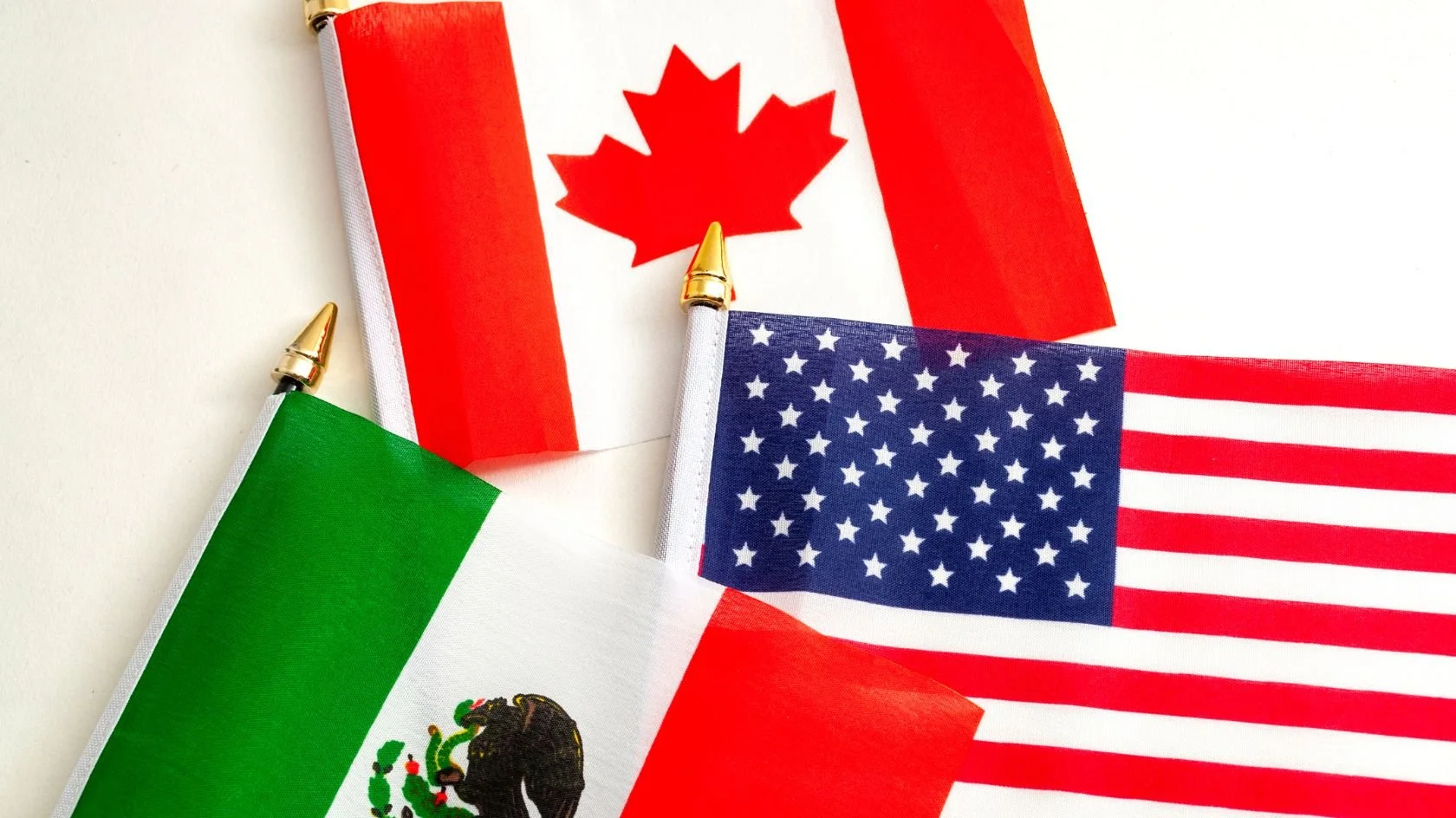
Profile: The Canadian Business Owner Restructuring Post-CUSMA
TL;DR
- The CUSMA review on July 1 ended without renewal: the US declined to extend the agreement, which stays in force but now faces annual reviews, with preferences for compliant goods, rules of origin and TN status unchanged for now.
- Origin rules haven’t changed yet, but new US tariffs effective August 19 apply even to CUSMA-compliant goods in covered sectors, so tariff exposure needs review.
- With 199A permanent, new GILTI/NCTI rules and a CUSMA framework now under annual review, now is the time to re-model whether your entity structure is still optimal.
If you run a Canadian business with US customers, US operations, or a supply chain that crosses the border, July 2026 did not end eighteen months of trade-related uncertainty — it changed its shape. Whether the CUSMA outcome was favorable, neutral, or challenging for your industry, a review that ended without renewal is the signal to keep planning for multiple scenarios, but with a much clearer view of the risks.
The CUSMA joint review took place on July 1, but it did not end the way Canada and Mexico had hoped. Both supported extending the agreement for a new 16-year term; the United States declined to renew it “in its current form.” The agreement remains fully in force through 2036, but the parties must now hold annual joint reviews, and an extension can still be confirmed at any time. No changes were made to tariff preferences for USMCA-compliant goods, to rules of origin, or to the temporary-entry chapter that authorizes TN status. US–Mexico bilateral talks are continuing, while US–Canada text-based negotiations had not yet begun. Steel and aluminum remain subject to the 50% Section 232 tariffs, with derivative products restructured by US proclamations in April and June rather than by any negotiated deal. And on July 20 the President signed proclamations imposing an additional 50% tariff on roughly $20 billion of Canadian imports in auto-related, dairy and alcohol categories, effective August 19. Those tariffs apply even to CUSMA-compliant goods.
What Changes for Cross-Border Business Structures
For businesses that survived the 2025 tariff disruption by demonstrating USMCA compliance, the agreement remains in force and that preference still matters for most goods. But USMCA compliance is no longer a complete shield. The new Section 338 tariffs apply to covered Canadian goods regardless of origin, and rules of origin, autos in particular, remain a live US demand in the annual reviews. Any business exporting manufactured goods to the US should confirm whether its products fall within the new tariff lines and keep its origin documentation current.
The Entity Structure Question
The tariff disruption of 2025 forced many cross-border businesses to operate in a structure that was reactive rather than optimal. Now is the moment to ask whether the current structure — Canadian parent, US subsidiary, or vice versa — is still the right one. The permanent Section 199A deduction for US pass-through income, the OBBBA’s modified GILTI/NCTI rules, and a CUSMA framework now under annual review collectively create a different set of incentives than existed two years ago. Business owners who take the time to model their structure against the post-review, post-OBBBA environment may find significant room for improvement.
Ready to Talk?
Cross-border planning is time-sensitive and highly fact-specific. If any of the topics in this issue apply to your situation, we would welcome the conversation. State Bird Corp specializes in US–Canada cross-border tax, estate, and immigration planning for families and businesses on both sides of the border. Our team works with clients across the US and Canada — wherever your cross-border life takes you.
Sources
- https://ustr.gov/about/policy-offices/press-office/press-releases/2026/july/ambassador-greer-issues-statement-usmca-joint-review
- https://www.hklaw.com/en/insights/publications/2026/07/50-percent-opening-bid-canadian-imports-subject-to-section-338-tariffs
- https://www.whitecase.com/insight-alert/usmca-2026-joint-review-united-states-declines-extend-agreement-triggering-annual
- https://cainlamarre.ca/en/resources/publications/the-usmca-after-july-1-2026-review-agreement-extended-through-2036-and-trade-uncertainty/
- https://www.pwc.com/ca/en/services/tax/publications/tax-insights/us-tariffs-steel-aluminum-copper-imports-update-2026.html
- https://www.dechert.com/knowledge/onpoint/2025/7/tax-reform-2025--the-one-big-beautiful-bill-act-signed-into-law.html
- https://www.internationaltradeinsights.com/2025/03/president-exempts-usmca-compliant-goods-from-ieepa-tariffs-against-canada-and-mexico-starting-march-7/
Sincerely,
The State Bird Corp Team
State Bird Corp
P: (602) 641-5996 · E: Info@statebirdcorp.com · W: statebirdcorp.com
To schedule your initial consultation, please contact us at info@statebirdcorp.com so that we can help you create a plan as unique as your fingerprint.
State Bird Corp is a management and financial consulting firm. State Bird Corp is not an accounting, legal or investment advisory firm. Cross-border planning is highly fact-specific. The strategies and topics described are general in nature, and readers should consult qualified specialists before taking any action. Any recommendation, inferences, or other guidance contained herein is meant for educational or general purposes and should not be relayed upon as specific advice for any person or business. Consult your legal, tax, and investment advisor for specific recommendation to your situation.